
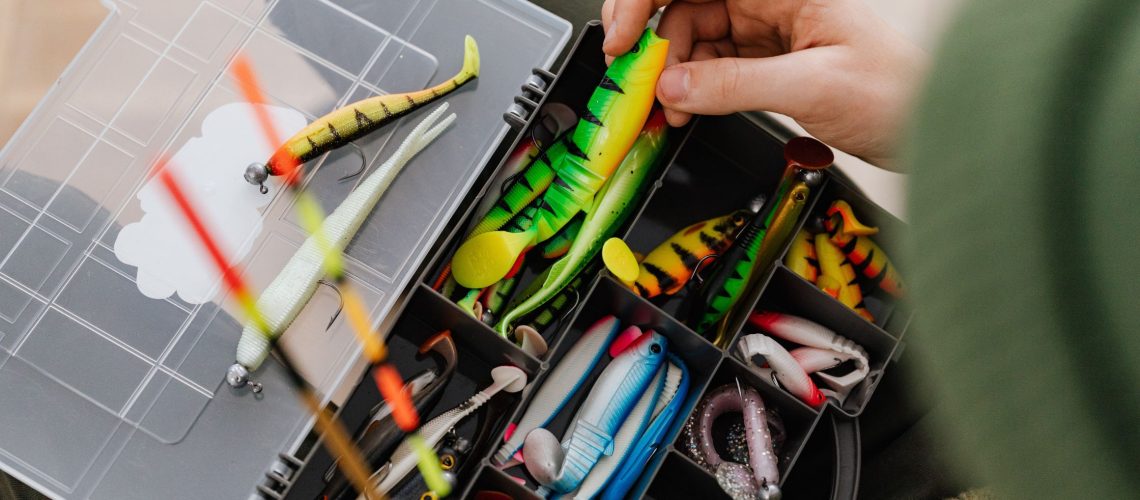
Trolling covers a wide area, while casting narrows the target; you’ll often start by sweeping large areas to find fish, then switch to precise casts once you know where they hide. Pair each method with the right lure—trolling uses lures with different dive curves, while casting uses soft plastics or tuned cranks. Choosing the approach first is critical if you’re aiming for mixed species or uncertain areas. The next move can alter your outcome.
The Basics of Trolling and Casting
Trolling and casting each start with a simple premise: you’re presenting a lure to fish, but you do it in very different ways.
The basics lie in approach and control. Trolling uses steady boat movement to run lures or bait, relying on trolling techniques to cover water and find active fish.
Casting emphasizes accuracy, using casting accuracy to place lures where fish hide. Choose fishing gear appropriate to the method, from downriggers to light spin outfits.
Water conditions influence depth and lure choice, while lure types determine response. Master these fundamentals, and adjust smoothly between methods.
When Trolling Wins: Scenarios and Species
Trolling is especially effective when you’re looking for consistent bites over large water bodies. Use trolling techniques to cover ground, locate schools, and keep lures at consistent depths.
In open-water fishing locations, you can dial in ideal trolling speeds to match target species like salmon, trout, and walleye, then adjust depths with planers or downriggers.
Focus on equipment essentials: sturdy rod, dependable reel, and appropriate bait or lures, plus electronics to mark structure.
Trolling excels during long drifts and when current shifts conditions. Use this method to maximize bites when time, water, and fish position align.
When Casting Shines: Scenarios and Species
Casting truly shines when you’re targeting specific spots or shore-based setups.
Refine your casting techniques so that lures are precisely placed along structure, drop-offs, weed lines, and shoreline edges. This method works well for target species that live in confined areas, such as bass, panfish, and shallow-water predators, and can be used from fishing spots such as docks or riverbanks.
Use lure types that match the cover and depth you’re working, then vary recoveries to find what triggers bites. Weather conditions influence success, so adjust casts for wind, current, and waves.
Casting rewards patience and accuracy with intimate, localized bites.
Matching Lures to Methods: What to Use and Why
Choosing the right lure for each method comes down to how you plan to cover water and where you’ll fish.
Trolling relies on depth and speed to trigger bites, so choose lures with varying dive curves and wobbles to match the water depth.
Casting benefits from accuracy and action, so lure types explained should include versatile soft plastics and spinnerbaits.
Consider color choices under current light conditions, and adjust accordingly.
Seasonal adjustment techniques matter too: switch patterns as water warms or cools, and rotate lure sizes with target species’ feeding windows to maximize hookups.
Practical Tips for Beginners: Getting Started With Both Methods
Getting started with both trolling and casting means keeping things simple at first: set a basic rod, reel, and a couple of versatile lures, then practice smooth starts and stops, adjust speed or retrieval feel, and learn to read the bite by watching the rod and listening for subtle taps.
Start with basic trolling techniques beside a calm bank or boat, noting lure depth and boat speed.
Add casting tips as you gain confidence, focusing on controlled casts and accurate placement.
Prioritize boat safety, proper lure selection, and mindful fishing etiquette to respect others and habitats.
Practice, refine, and stay patient.
Reel in Results with Yellow Bird: Your Trusted Partner on the Water
Whether you’re covering water quickly with trolling or dialing in a precise presentation by casting, you don’t have to choose one forever—start where you’re comfortable, then expand as your confidence grows. Fine-tune colors, running depths, and retrieve speeds to match the day, and quickly find your rhythm: use trolling to locate fish fast, then follow up with targeted casts to seal the deal.
What truly elevates your success is partnering with a brand that’s built its reputation on helping anglers win. Yellow Bird Products has been a trusted, family-owned American company since 1893, committed to quality, innovation, and real-world results. Their extensive line of brand-name fishing products—led by iconic, American-made planer boards and complemented by proven lures and accessories—gives you dependable tools for both trolling and casting. With Yellow Bird’s precision engineering, durable materials, and angler-first design, you get gear that runs true, tracks straight, and keeps you in the strike zone longer.
From weekend outings to tournament trails, Yellow Bird backs your passion with products designed, tested, and refined for performance on the water. Equip yourself with Yellow Bird, and turn every pass, every cast, and every condition into an opportunity to catch more fish.